At CES 2026, leading memory makers emphasized solving data movement challenges by boosting bandwidth, lowering power use, and improving reliability across storage and DRAM solutions.
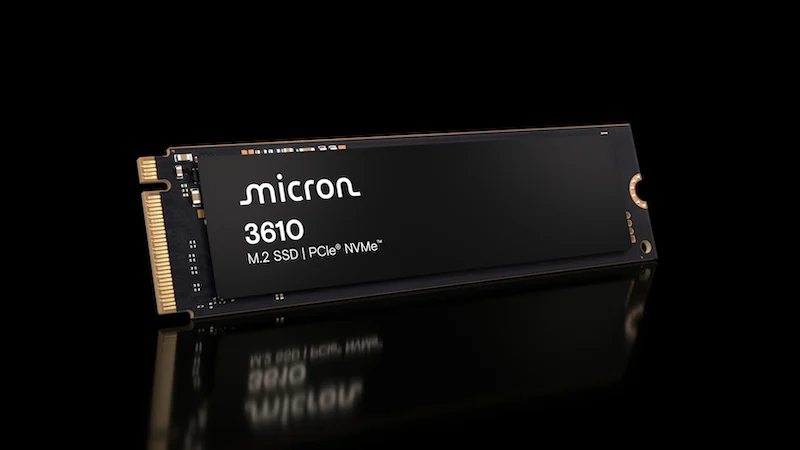
[Image: Micron 3610 SSD]
Micron unveiled the 3610 NVMe SSD, promoted as the world’s first PCIe Gen5 client drive using its G9 QLC NAND technology. This SSD aims to give thin-and-light laptops and small form-factor PCs a big boost in both speed and storage capacity within a compact module.
This design focuses on lowering power while maintaining responsiveness for AI and productivity tasks.
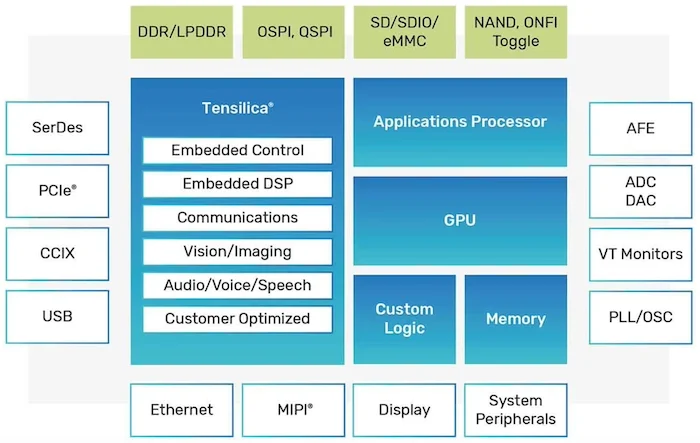
With growing demand for low-power memory in data centers, Cadence introduced a new system IP that combines LPDDR5X with DDR5-class reliability features. The integration of Microsoft’s RAIDDR ECC algorithm brings advanced error correction to LPDDR5X, closing the gap between low-power DRAM and enterprise-grade reliability
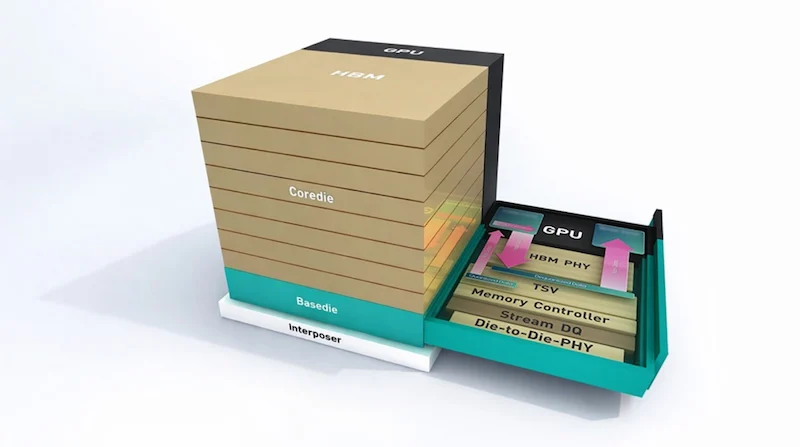
SK Hynix showcased its next wave of AI-oriented memory, including a new 16-layer HBM4 memory module with expanded capacity and bandwidth. In addition to HBM, the company displayed LPDDR6 for mobile AI use and innovative low-power modules like SOCAMM2.
At its booth, SK Hynix also demonstrated concepts that reduce data movement and improve power efficiency, key trends in next-generation memory design.
Together, these announcements signal how memory companies are responding to the needs of AI-focused systems and energy-sensitive devices by improving both hardware efficiency and robustness.