



Electronics News
Archive : 6 May 2026 год
Researchers from the Heinz Nixdorf Institute at Paderborn University have developed a silicon-germanium (SiGe) chip that has reached a record-breaking data transmission speed of 500 Gbps. This achievement represents a significant milestone in high-frequency semiconductor technology and opens new possibilities for next-generation data centers, high-performance computing, and advanced communication systems.
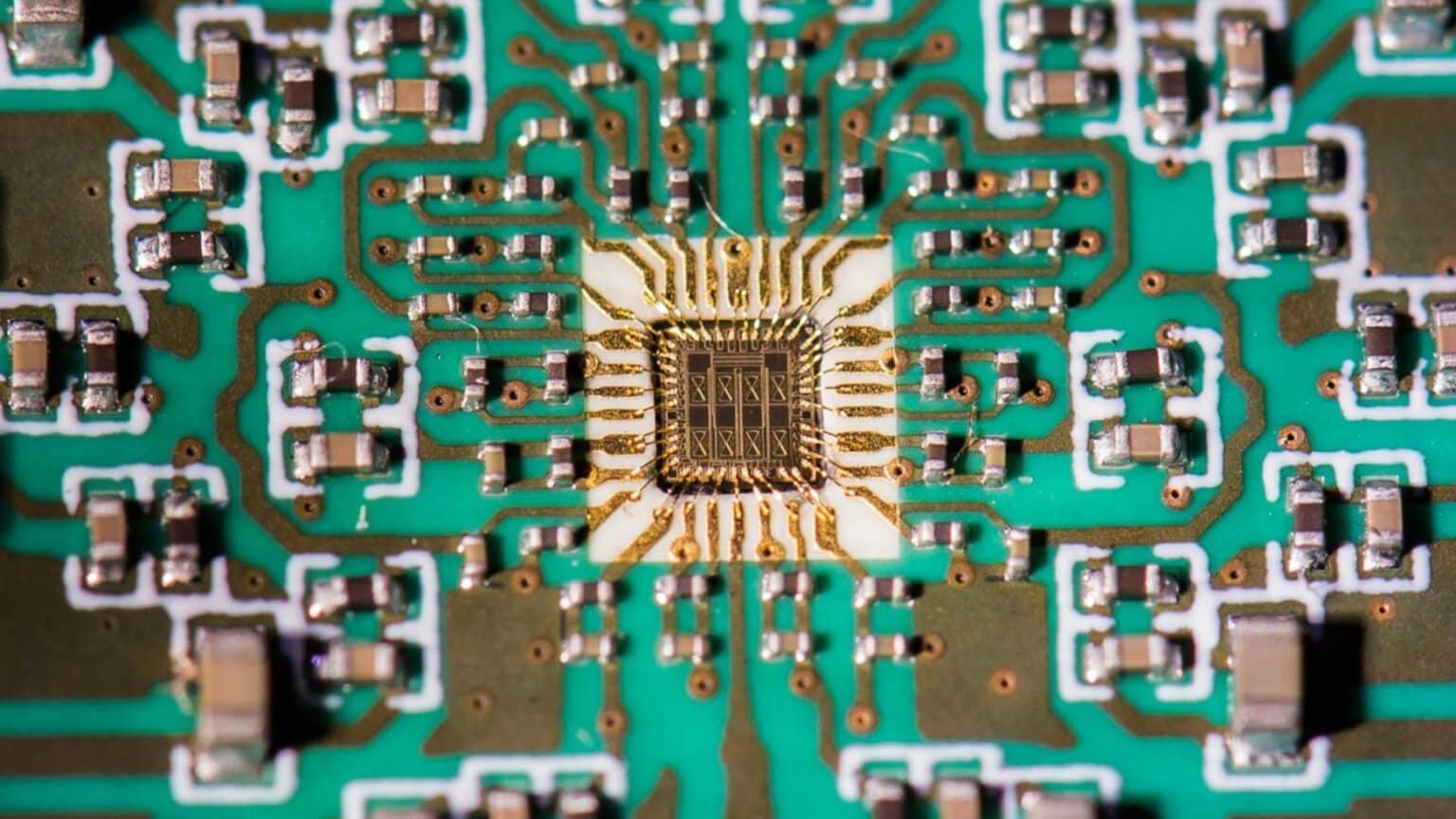
SiGe chip achieving record 500 Gbps data transmission speed
Key Highlights of the Development
- Record speed of **500 Gbps** per channel
- Based on silicon-germanium (SiGe) technology for superior electron mobility
- Developed as part of the PACE project at Paderborn University
- Compatible with existing silicon manufacturing processes
- Focuses on short-range, high-density interconnects
The SiGe chip demonstrates excellent signal integrity at extremely high frequencies while addressing critical challenges such as noise, distortion, and power efficiency. Its compatibility with standard silicon fabrication makes it a practical solution for real-world deployment.
Why It Matters
This breakthrough is particularly important for:
- Next-generation data centers facing exploding bandwidth demands
- High-performance computing (HPC) systems
- Future 6G communication infrastructure
- Advanced optical-electrical interconnects
- AI and machine learning hardware acceleration
By pushing the limits of electronic data transmission, SiGe technology is positioning itself as a strong contender against other high-speed solutions.
While further development and commercialization are still required, this 500 Gbps milestone clearly demonstrates the growing potential of silicon-germanium technology in future high-speed electronics.
Source: Electronics For You